Getting started 4 min read
How Much Does AI Automation Cost? What Drives the Price
AI automation is priced by the job, not from a menu. See what drives the cost, the usual pricing models and what to ask for before you agree to a quote.
Text size
Font

There is no fixed price list for AI automation, because the cost follows the job: how many steps it has, how many tools it connects to and how much it has to handle. A small, focused first workflow costs far less than a full platform. The reliable way to control what you spend is to start with one job and get a written scope and estimate before anything is built.
What drives the price?
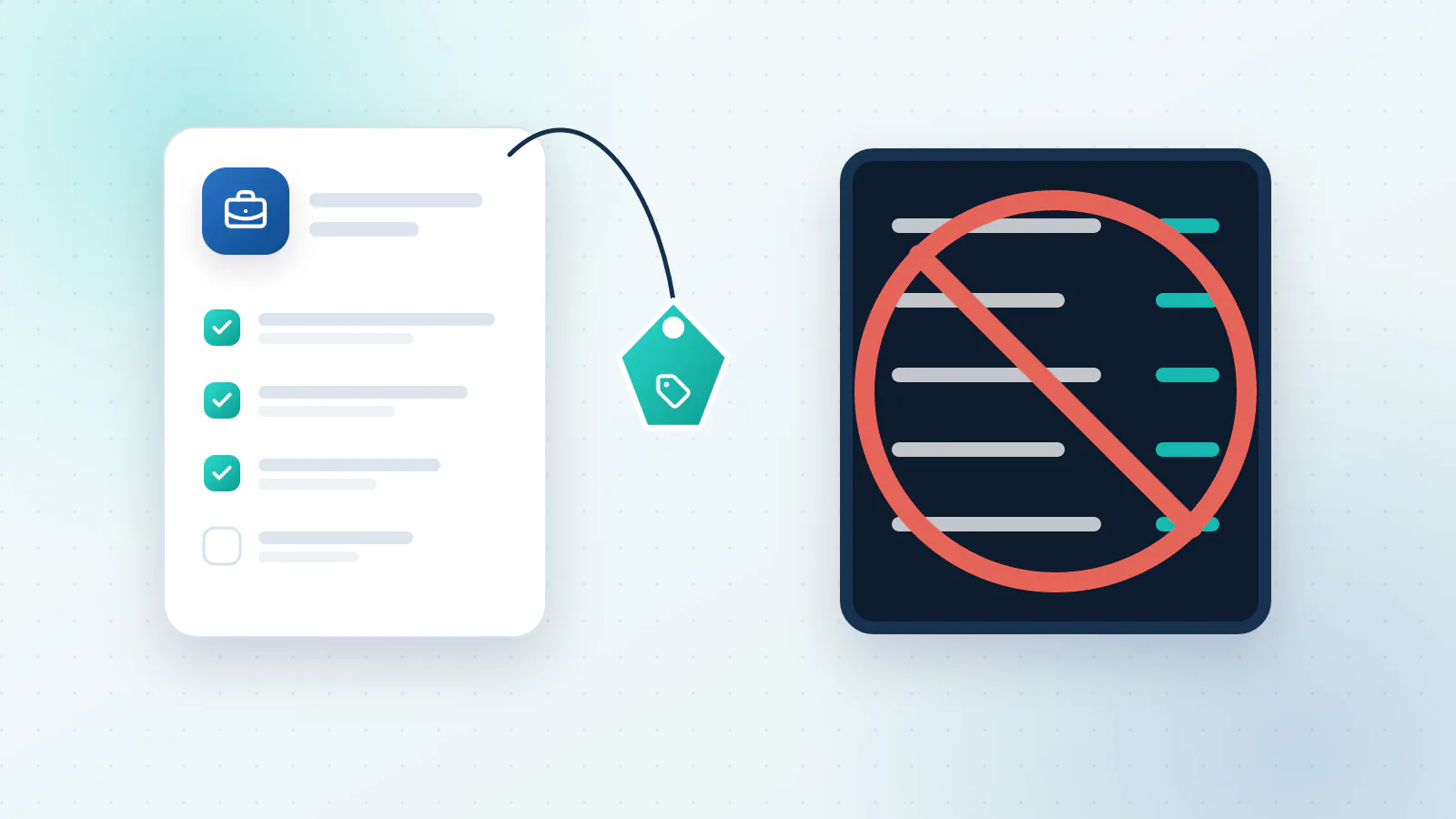
- The number of steps and decisions. Replying to a form is simple. Reading a document, checking two systems and deciding what to do is not.
- The number of tools it connects to. Each connection has to be built and kept working, and some tools make that easier than others.
- Volume. How many calls, messages or documents it handles each month.
- How much it must get right. Work your customers see, or work with real consequences, needs more testing and more checks.
- Where people stay involved. Approvals and hand-offs add design work, and they are often worth it.
- Custom or ready-made parts. Using existing tools where they fit is cheaper than building from scratch.
What are the usual ways it is priced?
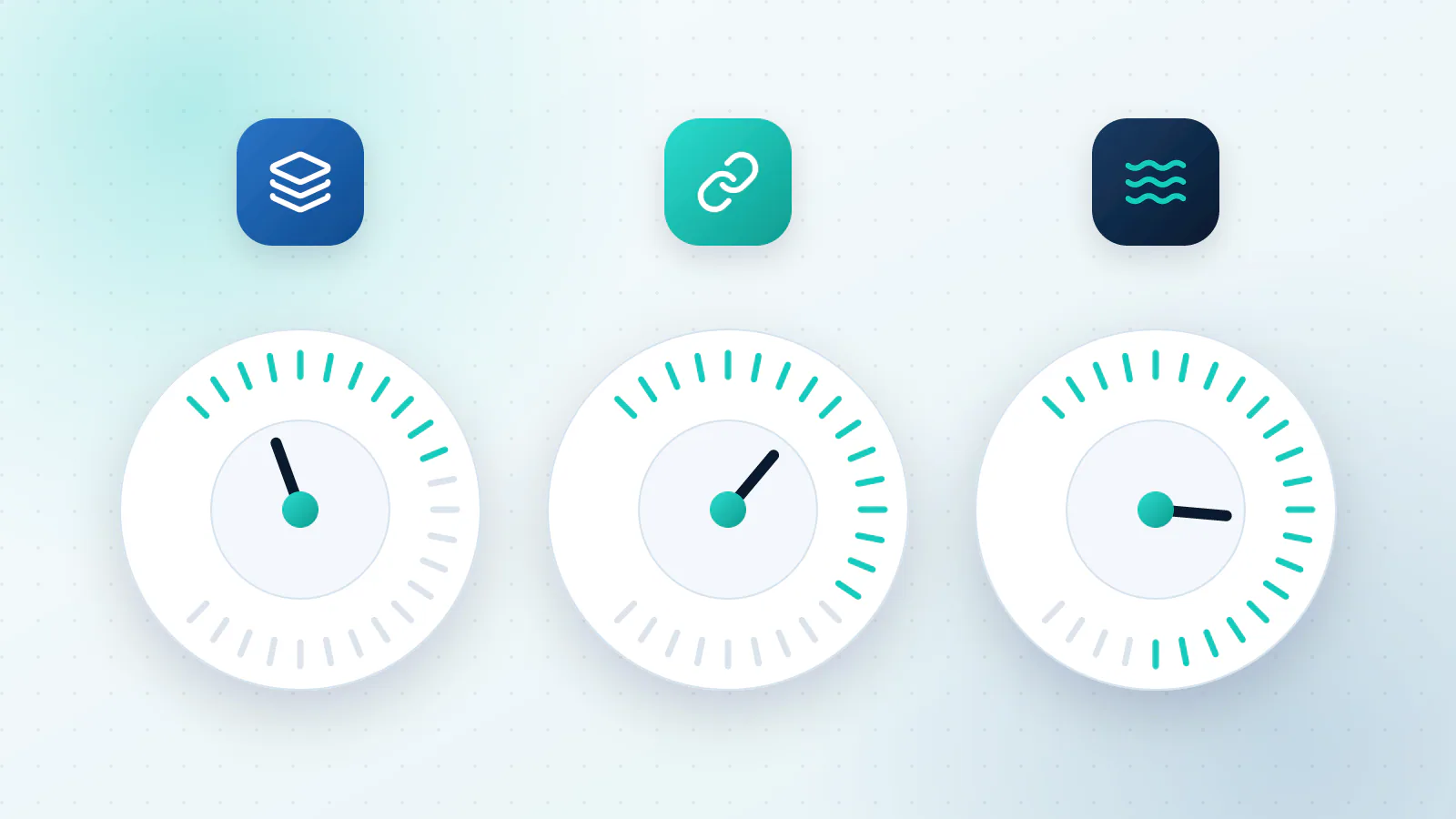
| Model | How it works | Suits |
|---|---|---|
| Fixed price | One price for a clearly defined build | A well-understood job |
| Time and materials | You pay for the time spent | Exploratory work where the scope will move |
| Monthly retainer | A regular fee for monitoring, fixes and improvements | Keeping a live system healthy |
| Usage-based | You pay per call minute, message or document | The part that grows with volume |
Many projects combine a one-time build with a monthly part for usage and support. Ask which parts are fixed and which can change.
Usage-based pricing is how the services underneath are billed, too. OpenAI lists its API prices per 1 million tokens (small chunks of text), with input and output priced separately (OpenAI). Microsoft’s Azure Document Intelligence is billed by pages analyzed, with prices quoted per 1,000 pages for most models (Microsoft Azure). Phone calls are billed per minute: Twilio’s US voice pricing is per minute for making and receiving calls, with recording and transcription charged extra (Twilio). Prices change, so we do not quote any here. The point is that volume moves the bill.
The costs people forget
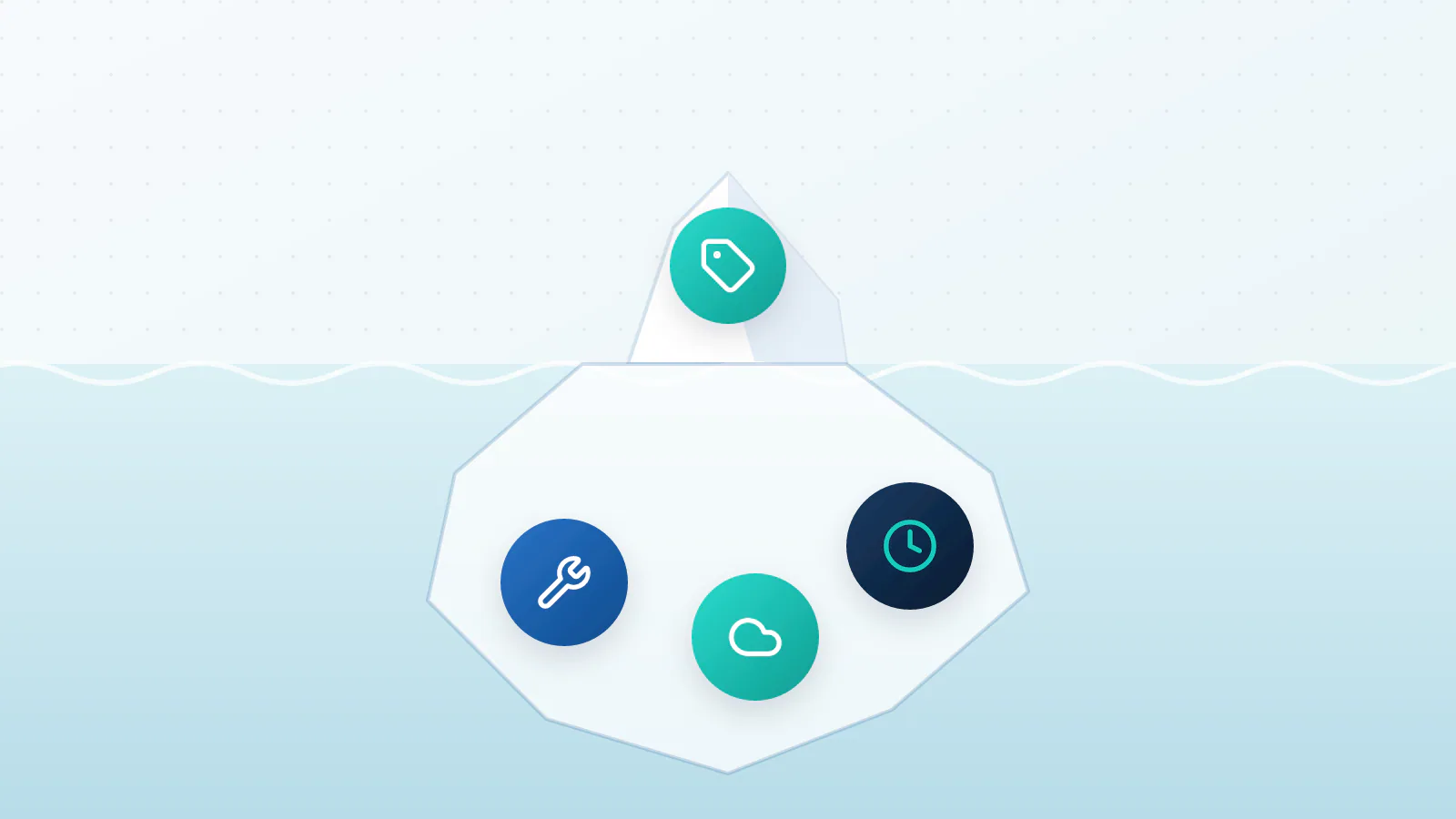
- Usage fees from the AI and phone providers behind the system.
- Keeping it working. Tools update, connections break and your business changes. Someone has to look after it.
- Your team’s time. Someone has to explain how the work is done today and review the first results.
- Tidying your information. An assistant that answers from an out-of-date price list will give out-of-date prices.
Cost is a common reason AI projects stall. Gartner expects over 40% of agentic AI projects to be canceled by the end of 2027, citing escalating costs, unclear business value or inadequate risk controls (Gartner, June 2025). In McKinsey’s 2026 survey, about 20 percent of respondents said AI-related operating costs, including token costs, had constrained their AI use (McKinsey). These findings are about AI projects in general, so read them as a reason to agree a scope and a budget before you start.
How to keep spending under control
- Start with one job rather than a platform.
- Decide what success means in numbers before you build: hours saved, reply time, appointments booked.
- Ask for a written scope. What is included, and what is not?
- Ask what happens after launch and what that costs.
- See it on real examples before you agree to more.
How to tell whether it is worth it
Compare the cost with what the job costs you today. A task that takes 8 hours a week is about 416 hours a year. Multiply that by what an hour of your team’s time costs, and add anything the delay costs you, such as leads that go cold or customers who wait. If you cannot yet put numbers on the job, that is the first thing to fix, and our guide to preparing your business for AI automation shows how.
What to do next
For the jobs people most often ask us to price, see seven costly problems AI automation can fix. For a wider list of processes worth pricing, see which business processes AI can automate.
We do not publish a price list, for the reasons above. What we do is give you a clear scope and an estimate after a first conversation, and we usually suggest starting with one focused job. If you would like that, book a call or read more about AI automation.

Questions about your own business?
Ask Sam how this applies to you, or book a free 20-minute audit and talk it through with the team.
Frequently asked questions
Why is there no standard price list for AI automation?
Two projects that sound the same can be very different. A simple reply-and-book flow and a system that reads documents, checks three tools and needs approvals are both called automation. That is why you get a written scope and an estimate after a first conversation, not a menu.
Will usage fees go up as my business grows?
They can. Voice, chat and document reading are often billed by use. Ask how usage is billed, what a busy month would look like and whether there is a limit.
Can I test it before committing to a big project?
Yes, and it is the usual way to start. A small first version on one job lets you see real results and real costs before deciding what to do next.
What should I do first to keep costs down?
Pick one job, write down how it is done today and decide what success looks like in numbers. A clear job is cheaper to build than a vague one.
Sources
- API Pricing OpenAI
- Pricing - Azure Document Intelligence Microsoft Azure
- Programmable Voice Pricing in United States Twilio
- Gartner Predicts Over 40% of Agentic AI Projects Will Be Canceled by End of 2027 Gartner
- The state of AI in 2026: On the road to ROI McKinsey & Company