Getting started 5 min read
How to Prepare Your Business for AI Automation: 7 Steps
A practical checklist for your first AI project: pick the task, write down the process, gather your information and decide how you will measure success.
Text size
Font

You do not need to be technical, or have perfect data, to start. You need one task worth automating, a written description of how it is done today, the information the assistant will rely on, a clear idea of what “done right” looks like, and someone who can review the first results. This checklist walks through seven steps to get there.
1. Pick one task
Choose something that happens often, follows a pattern and is easy to check. If you have a list of candidates, our scoring method for choosing the first process to automate picks a winner in about an hour.
2. Write down how it is done today
This is the most valuable step. Ask the person who does the task to talk it through, and write down:
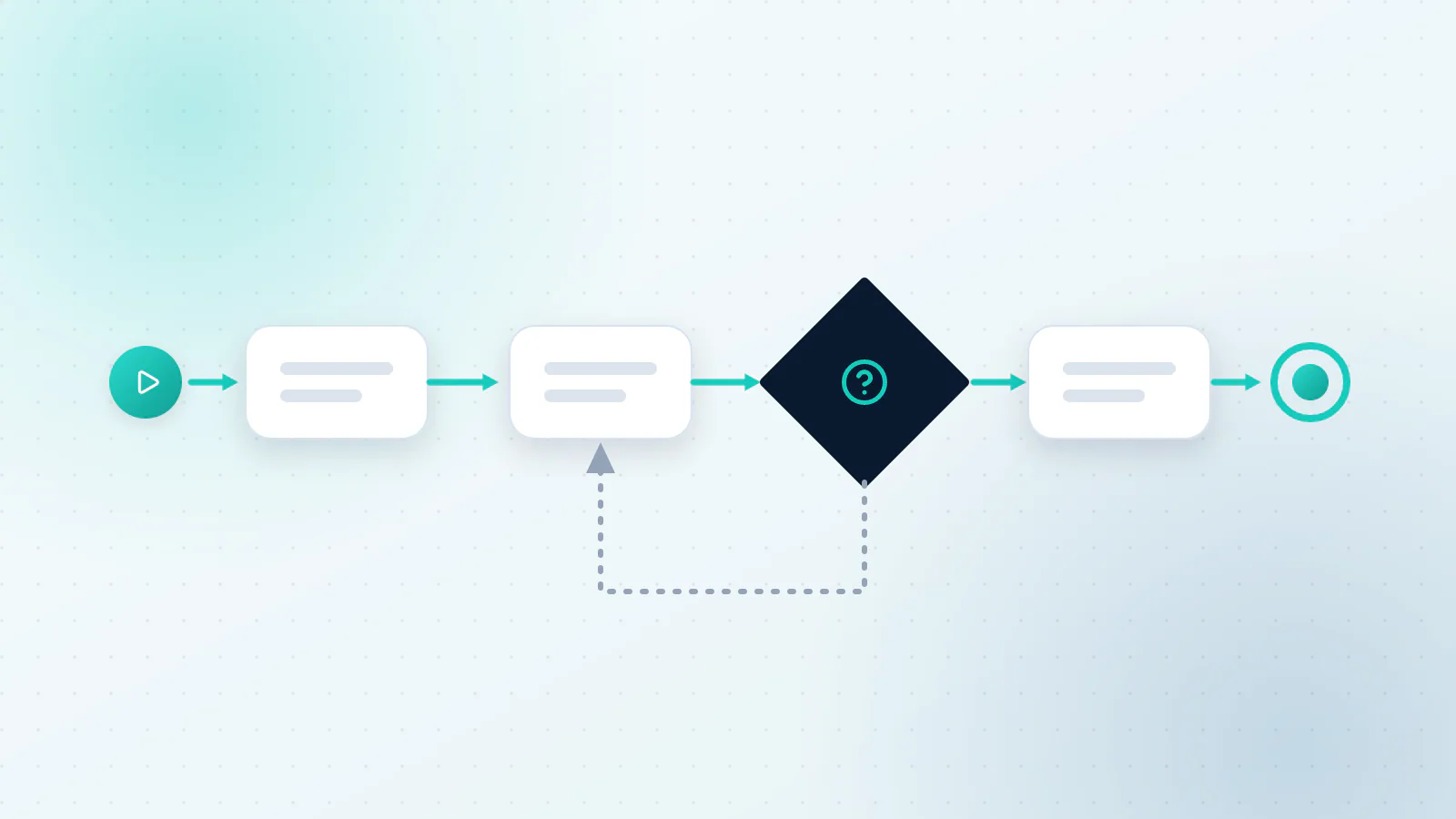
- What starts it (an email, a call, a form, a date).
- Each step, in order.
- Which tools they use at each step.
- The decisions they make, and how they make them.
- The exceptions: what goes wrong, and what they do about it.
If it takes a page, that is plenty. A new hire should be able to follow it.
There is a second reason to do this before you buy anything. McKinsey’s 2026 survey found that the small group it calls AI high performers, about 6 percent of respondents, fundamentally redesign workflows around AI rather than inserting AI into existing ones (McKinsey). You can only redesign a process you have written down.
3. Gather what the assistant will need
- Ten to twenty real examples of the task, including a few awkward ones.
- Your answers: FAQs, price lists, policies and templates.
- Your tone: a couple of messages you were happy with.
Check that these are current. The assistant will repeat what it is given.
Gartner’s research points the same way. A Gartner survey found that 63% of organizations either do not have, or are unsure they have, the right data management practices for AI, and Gartner predicts that through 2026 organizations will abandon 60% of AI projects unsupported by AI-ready data (Gartner, February 2025). You do not need a data team to act on that. For a first project it means current answers, accurate prices and examples that match the real work.
4. Decide what “done right” looks like
Pick one or two numbers: hours saved a week, time to first reply, appointments booked, invoices paid on time. Take a baseline now. You cannot show an improvement without a “before”.
Anthropic’s documentation for people building with AI gives the same order of work: define success criteria that are specific and measurable, then test against them (Anthropic).
5. Decide where a person stays involved
Mark each step as one the system can do alone, one it can draft for a person to approve, or one a person must do. Also decide what it should do when it is not sure. A good default is to hand over to a person, with the whole conversation attached.
6. Check your tools and access
List the systems involved: CRM, calendar, email, phone, spreadsheets, your website. Note who can grant access to each, and whether they offer a connection for other software. If you are unsure, say so. This is easy to sort out in a first conversation, and our page on AI integrations explains what connecting involves.
7. Choose a reviewer and a rhythm
Someone who knows the work should look at the first results, ideally every week at first. They are not checking the technology. They are checking whether the answers are right and the outcome is good.
What you can skip
A large strategy document, a perfect database and a company-wide AI policy are not needed to start. Do make sure you know what personal or sensitive information the task touches, and that you are comfortable with how it will be handled.
The US Federal Trade Commission’s guide for businesses is a good place to start. It begins with taking stock of the personal information you have, then scaling down what you keep, locking it, disposing of what you no longer need and planning ahead, and it says the advice applies whatever the size or nature of your business (FTC). Also check what your AI provider does with what you send it. The FTC’s Office of Technology has warned AI companies that promises not to use customer data for secret purposes, such as training or updating their models, have to be kept, and that using data for other purposes without clear notice and consent risks breaking the law (FTC).
A quick readiness check
You are ready to talk to someone if you can answer yes to most of these:
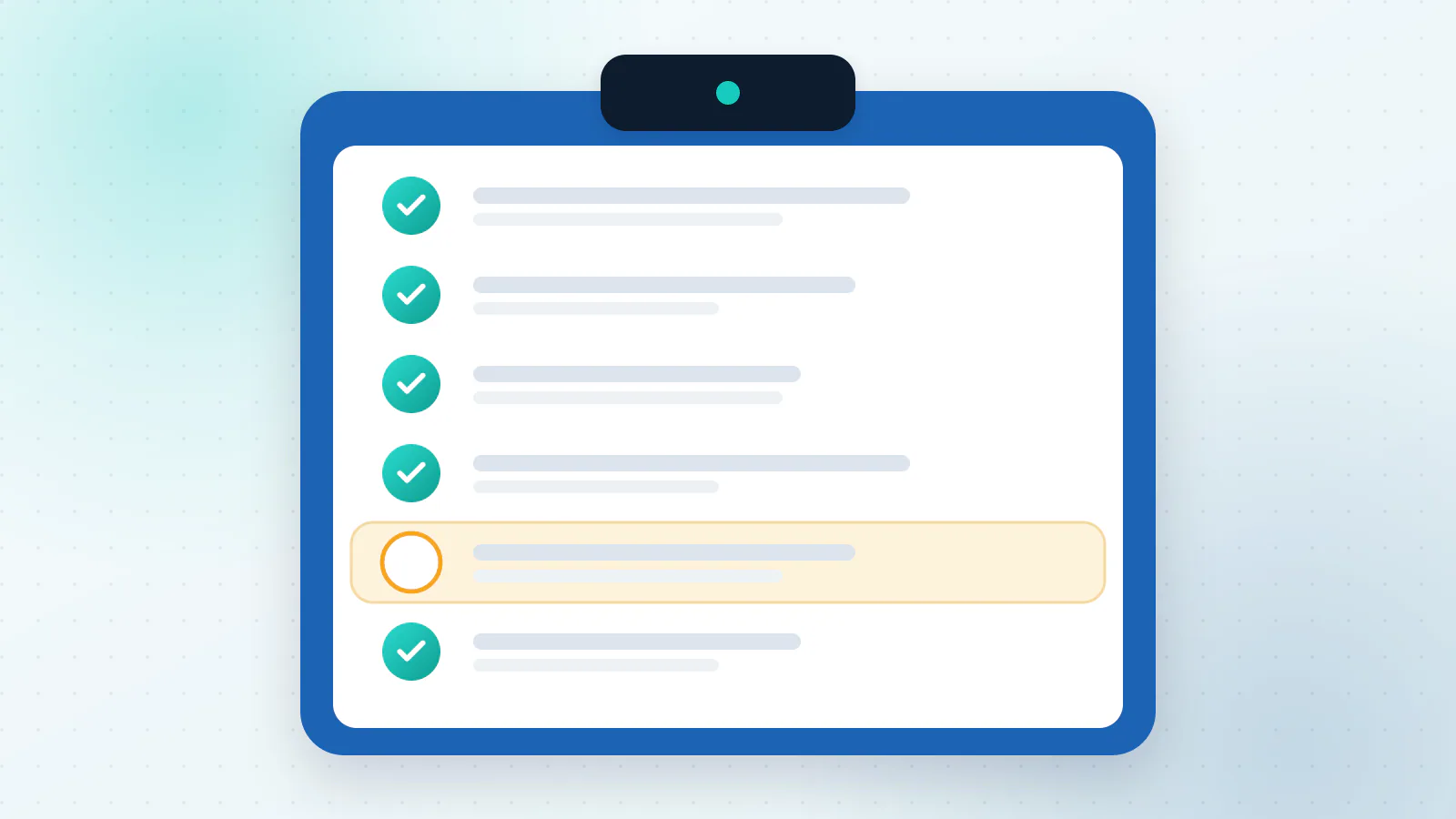
- I can name the task.
- Someone has described how it is done today.
- I know what a good result looks like, in a number.
- I know which tools are involved.
- Someone will review the first results.
Not sure which job to start with? AI automation for small business walks through the seven most common ones, which business processes AI can automate covers the wider field, and manual data entry is often the safest first project.
If you cannot yet, that is fine. Describe what you have and we will help with the rest. Book a call or read about AI automation.

Questions about your own business?
Ask Sam how this applies to you, or book a free 20-minute audit and talk it through with the team.
Frequently asked questions
Do I need clean data before I start?
Not perfect, but accurate. If the prices on your website differ from the prices your team quotes, fix that first, because the assistant will repeat whatever it is given.
How long does preparation take?
For one task it is often a few hours of someone's time, mostly spent writing down how the work is done today. Larger projects take longer, and a short conversation will tell you what to expect.
Who should be involved?
The person who does the task today, someone who can decide what the system may do on its own, and whoever looks after the tools involved.
What can I skip?
A big strategy document, a perfect database and a company-wide AI policy are not needed to start. Do check the privacy rules that apply to the information involved.
Sources
- Lack of AI-Ready Data Puts AI Projects at Risk Gartner
- The state of AI in 2026: On the road to ROI McKinsey & Company
- Protecting Personal Information: A Guide for Business Federal Trade Commission
- AI Companies: Uphold Your Privacy and Confidentiality Commitments Federal Trade Commission
- Define success criteria and build evaluations Anthropic