Getting started 4 min read
How to Choose the First Process to Automate with AI
A simple scoring method for picking your first AI automation project, based on frequency, repeatability, clear rules, measurable results and manageable risk.
Text size
Font
The first AI project sets the tone for everything after it. Pick a task that is frequent, clear and easy to measure, and you get an early win that earns trust. Pick one that is rare, vague or high stakes, and the project drags. This guide gives you a simple way to choose.
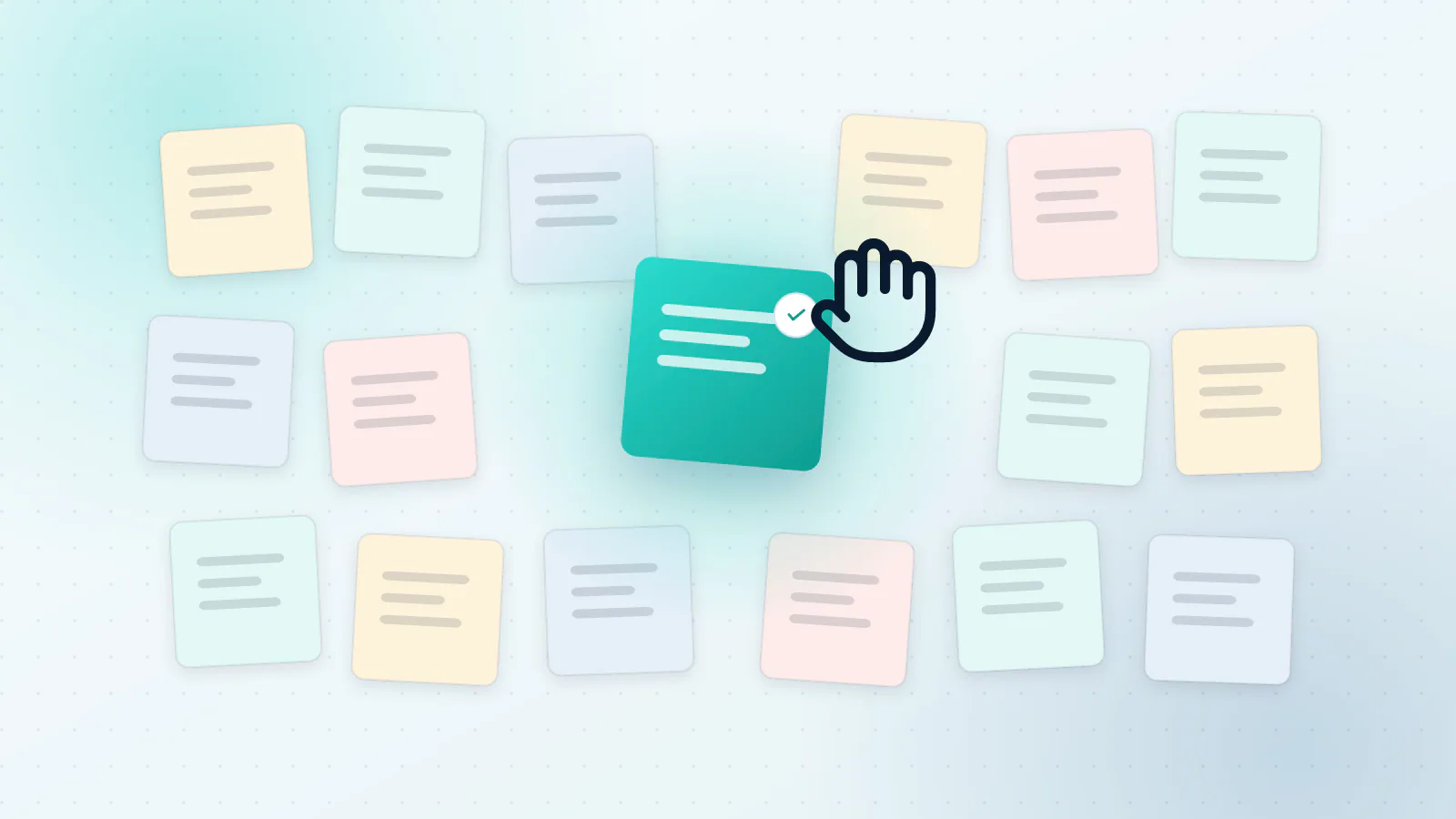
Step 1: List the candidates
Ask your team: “What do you do every week that you wish you did not have to?” Write down every answer. Aim for 8 to 15 tasks. Do not filter yet.
Step 2: Score each task on five questions
Give each task a score from 1 (low) to 5 (high) on each question.
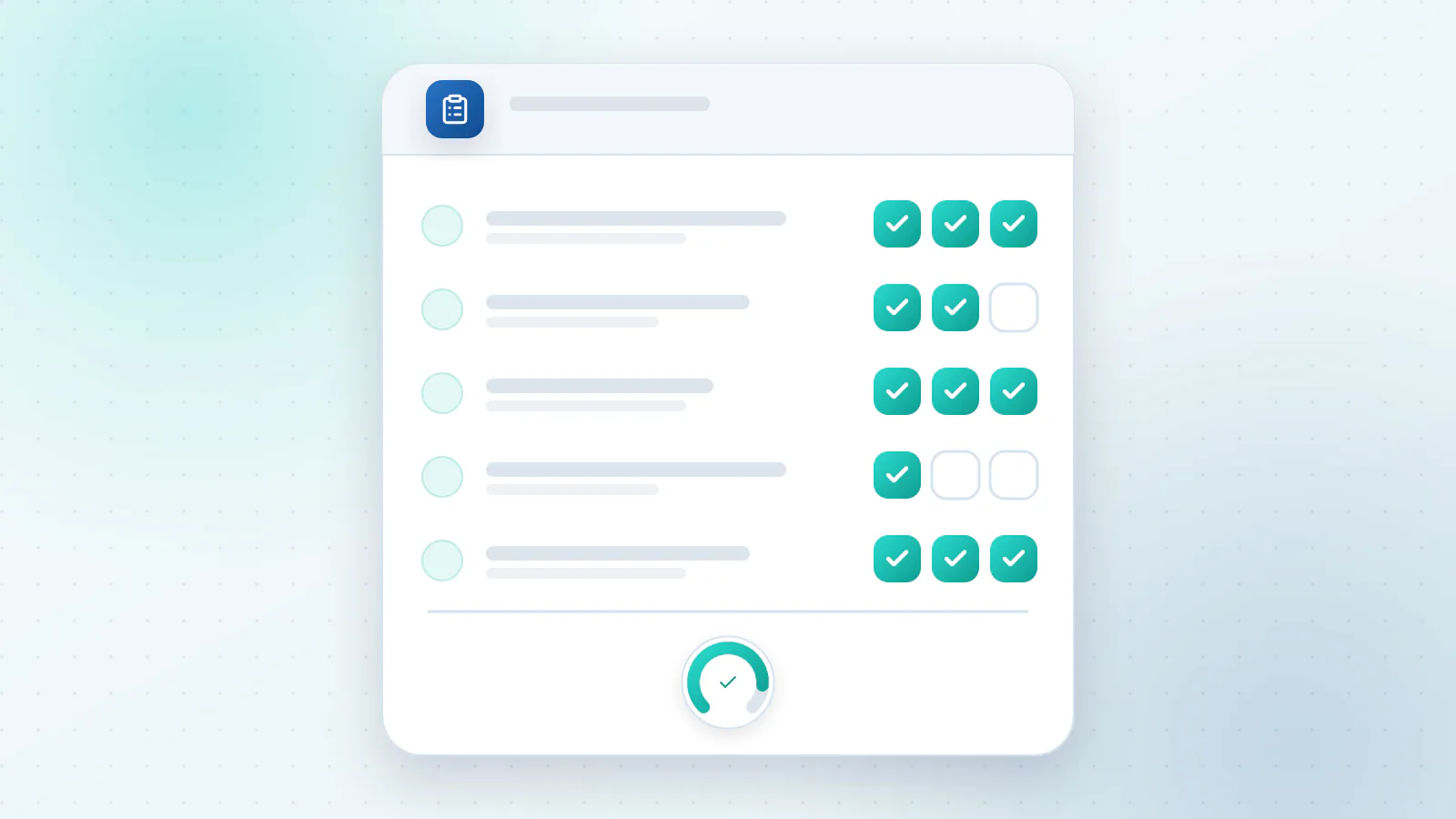
- Frequency. How often does it happen? Daily scores 5. Yearly scores 1.
- Repeatability. How similar is each instance? If a new hire could learn it from a one-page guide, score high.
- Clarity of rules. Can you say what “done right” looks like? Clear rules score high.
- Measurable result. Can you measure time saved, speed or revenue? Easy to measure scores high.
- Safety. If it goes wrong, how bad is it? Low risk and easy to reverse scores high. A task where one mistake is costly scores low.
Add up the five scores. The highest totals are your best candidates.
Score tasks, not whole jobs. McKinsey Global Institute’s study of automation found that the right unit is the individual activity rather than the entire occupation. Fewer than 5 percent of occupations were candidates for full automation, and the activities most susceptible were physical ones in highly structured and predictable environments, as well as data collection and processing (McKinsey Global Institute, 2017). That study predates today’s generative AI, so take it as a lesson about method. Frequent, predictable, rule-based tasks are still the ones that score highest here.
A worked example
A home services company lists four tasks.
| Task | Frequency | Repeatability | Rules | Measurable | Safety | Total |
|---|---|---|---|---|---|---|
| Answering after-hours calls | 5 | 4 | 4 | 5 | 4 | 22 |
| Chasing unpaid invoices | 4 | 5 | 5 | 5 | 4 | 23 |
| Writing custom quotes | 4 | 2 | 2 | 4 | 2 | 14 |
| Annual tax preparation | 1 | 3 | 4 | 3 | 2 | 13 |
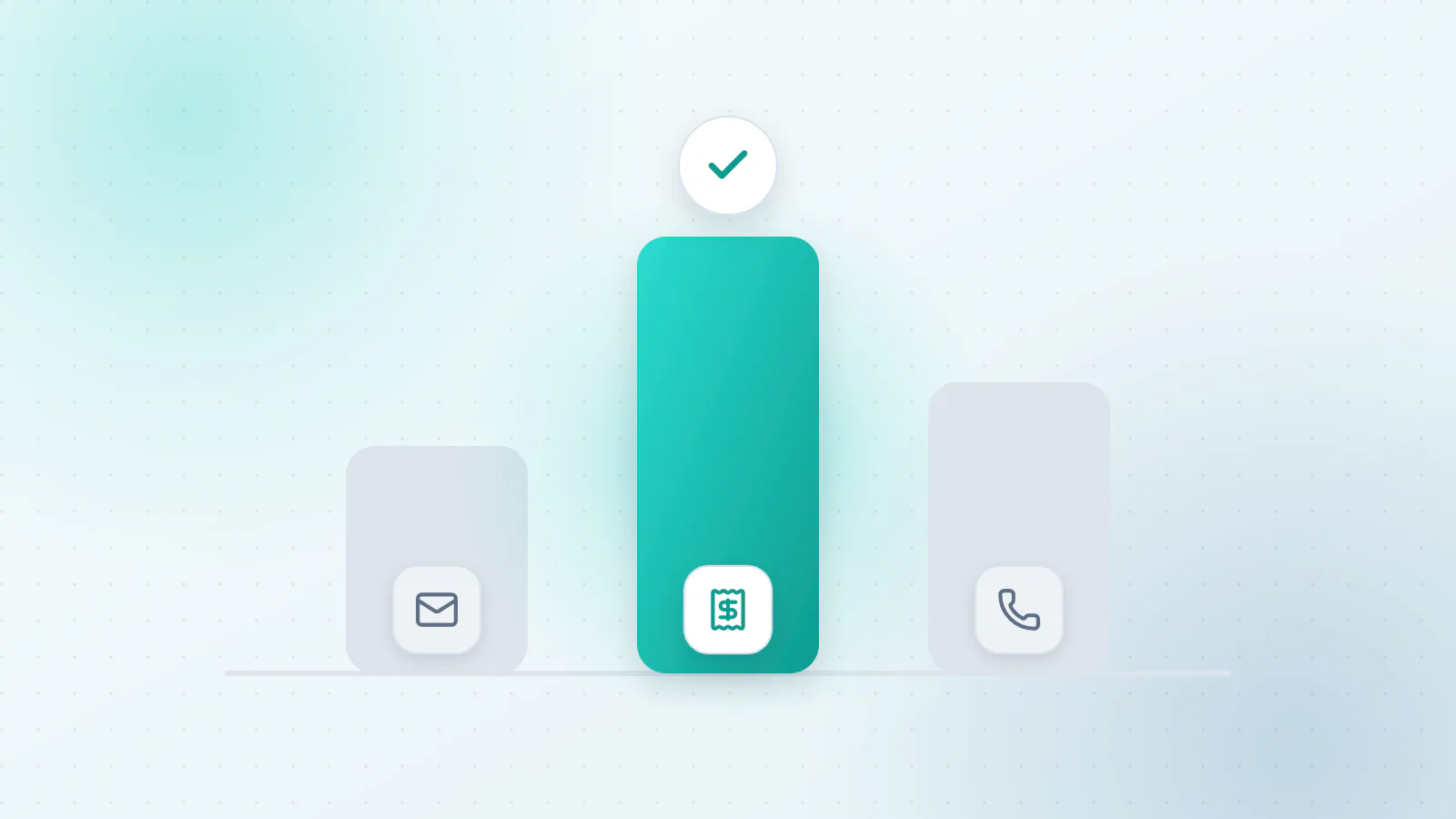
This is an illustrative example, not real client data. Chasing invoices and answering after-hours calls win. Custom quotes need more judgment, and tax preparation happens too rarely to pay back quickly.
Step 3: Define what success looks like
Before you build anything, write down one or two numbers you will track, such as hours saved per week, average response time or appointments booked. Take a baseline now. You cannot show improvement without a “before”.
Anthropic’s documentation for people building with AI starts in the same place. Define your success criteria first, make them specific, measurable, achievable and relevant, and then design tests that measure performance against them (Anthropic).
Step 4: Start narrow
Automate the core of the task first, not every edge case. Let the system hand unusual cases to a person. You can widen its scope later, once you have seen how it behaves on real work.
Anthropic’s engineering guide gives developers the same advice: find the simplest solution possible, and add complexity only when you need it (Anthropic). Gartner recommends pursuing agentic AI only where it delivers clear value or ROI, and it expects over 40% of agentic AI projects to be canceled by the end of 2027, in part because of unclear business value (Gartner, June 2025).
Common mistakes
- Starting with the most exciting task instead of the most suitable one.
- Automating a broken process. Fix the process first, or at least write it down.
- Skipping the baseline. Without a “before”, nobody can see the “after”.
- Giving the system too much freedom too early. Start with tight limits.
What happens next
Once the first task is running well, the same method picks the second one. Each project tends to make the next easier, because the tools, the data connections and the trust are already in place.
Not sure what belongs on the list? AI automation for small business names seven common candidates, which business processes AI can automate goes through the wider field, and manual data entry is often the safest one to start with.
If you would like help scoring your list, book a call. Finding the opportunity with the clearest payoff is where every project we do begins.

Questions about your own business?
Ask Sam how this applies to you, or book a free 20-minute audit and talk it through with the team.
Frequently asked questions
How many tasks should I score?
Aim for eight to fifteen. That is enough to see a clear winner without turning the exercise into a project of its own.
What if two tasks score the same?
Pick the one with the clearer measurable result. A task where you can show before-and-after numbers builds trust for the next project.
Should the first project be the most valuable one?
Not necessarily. The first project should be valuable, but also clear and low risk. An early win makes it easier to take on the bigger, harder tasks afterwards.
Sources
- Harnessing automation for a future that works McKinsey Global Institute
- Building effective agents Anthropic
- Define success criteria and build evaluations Anthropic
- Gartner Predicts Over 40% of Agentic AI Projects Will Be Canceled by End of 2027 Gartner