Voice and chat 4 min read
AI Voice Agents: 9 Questions to Ask Before You Buy
Before you sign up for an AI voice agent, ask these nine questions about hand-offs, your calendar, call recording, testing and the full cost.
Text size
Font
On this page
- 1. What happens on a call it cannot handle?
- 2. Can I hear it on realistic calls?
- 3. Does it connect to my real calendar and tools?
- 4. What will it say about my business, and who controls that?
- 5. How does it greet callers?
- 6. How are recordings and personal details handled?
- 7. How will I know it is working?
- 8. What happens when something changes?
- 9. What does it cost, all in?
- Warning signs
- What to do next
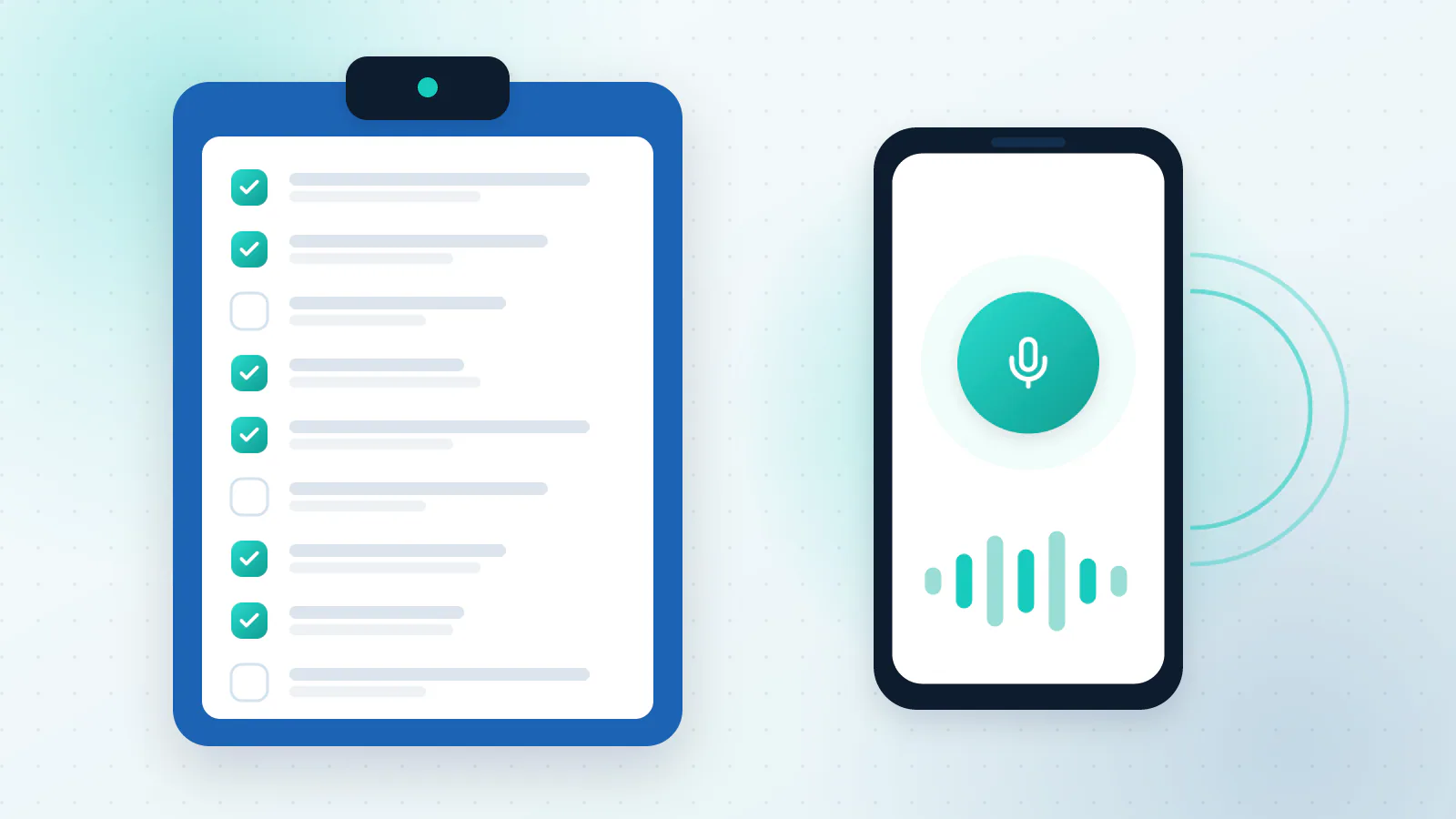
A good AI voice agent answers calls the way a good receptionist would, and you can tell before you buy. Ask any provider these nine questions. The answers show whether it will book appointments, hand over gracefully and fit your business, or just sound impressive in a demo.
1. What happens on a call it cannot handle?
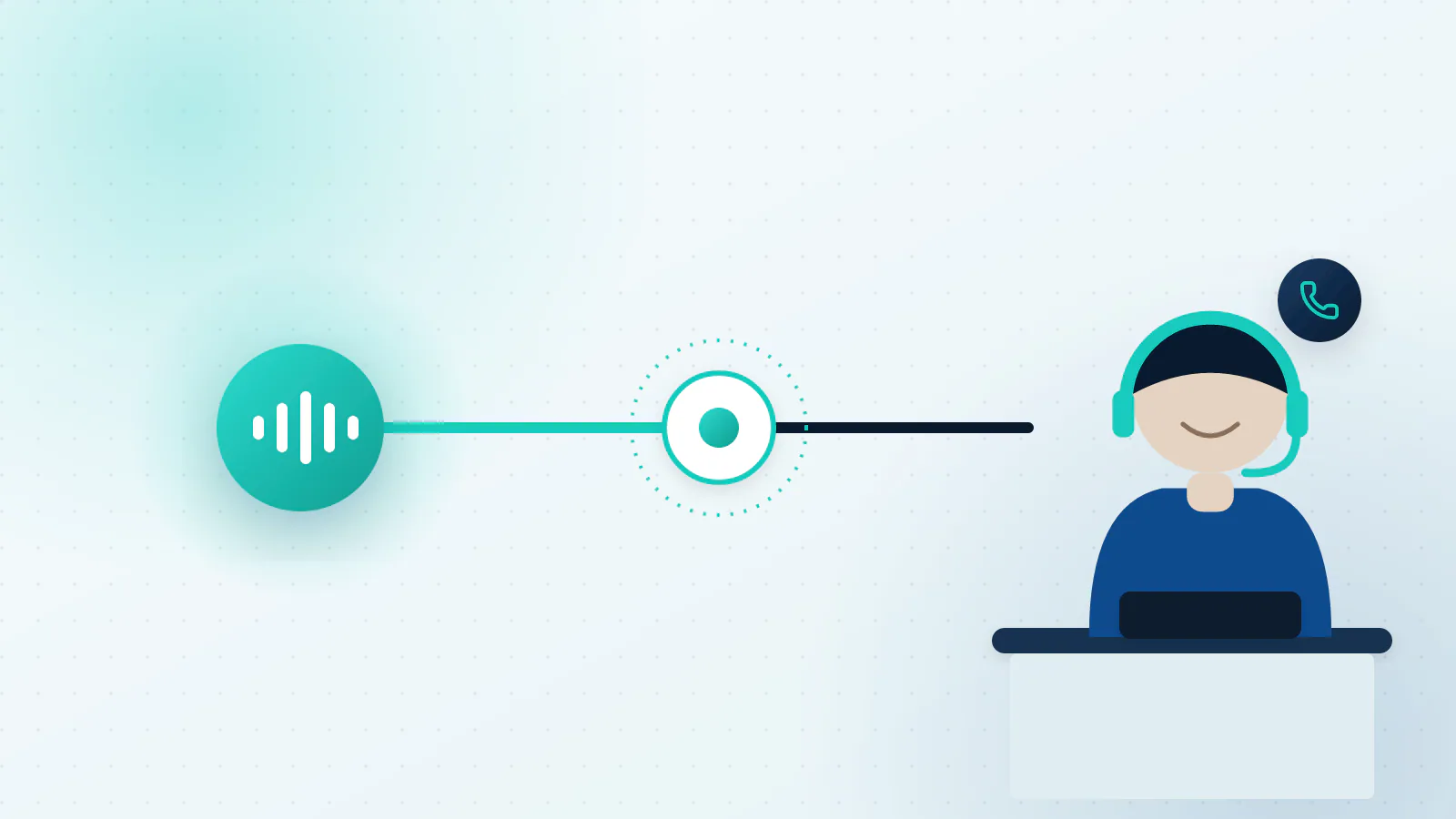
It should transfer the call to a person, or take a message, and send your team a short summary so nobody starts from scratch. Ask to see how that works, not just to hear that it does.
2. Can I hear it on realistic calls?
A demo script proves little. Ask to try it with your own typical calls: someone who interrupts, a noisy line, a caller who is vague, an unusual request. Listen for how it recovers when a call goes off script.
3. Does it connect to my real calendar and tools?
It should offer only times that are free, avoid double-booking and update your records. Ask which calendar and booking tools it works with, and what happens when the connection fails.
4. What will it say about my business, and who controls that?
It should answer from information you approve, such as hours, services and policies, and stay quiet or hand over on anything else. Ask who writes that information, how you change it and how quickly a change takes effect.
5. How does it greet callers?
You decide the greeting and the name it uses. Being upfront that it is an AI assistant, and letting callers ask for a person at any time, is good practice. Rules about this can vary by place, so check with your own advisor.
In the EU, Article 50 of the AI Act says AI systems that interact directly with people must be designed so that people are told they are dealing with an AI, unless that is obvious (European Commission). If the agent will also place calls, such as reminders or follow-ups, the rules are stricter: the FCC has confirmed that calls made with AI-generated voices need the prior express consent of the person called (FCC).
6. How are recordings and personal details handled?
Ask whether calls are recorded or transcribed, where that data is stored, how long it is kept and who can see it. Laws about recording calls vary by state and country, so ask your advisor what applies to you. In the US, the FCC says it has no rules on recording of phone conversations by individuals, but some state laws prohibit the practice, and wiretapping is regulated by both federal and state governments (FCC).
Ask, too, whether your calls will be used to train the provider’s AI models. The FTC’s Office of Technology has warned AI companies that promises not to use customer data for secret purposes, such as training or updating their models, have to be kept, and that using customer data for other purposes without clear notice and consent, for example by quietly changing their terms of service, risks breaking the law (FTC).
7. How will I know it is working?
You want a simple report: calls answered, appointments booked, calls handed to a person, and calls that failed. You also want to hear samples. Our guide on how to tell if your AI is working covers the numbers to track.
8. What happens when something changes?
Your hours, prices and services will change. Ask who updates the agent, how long it takes and whether you can do it yourself.
9. What does it cost, all in?
Ask for the full picture: the build, any monthly fee, per-minute or per-call usage, phone numbers and anything not included. Our guide to what drives the cost of AI automation explains the usual models.
Phone usage is normally billed per minute. Twilio’s US voice pricing, for example, charges per minute to make and receive calls, adds a monthly fee for each phone number and bills recording and transcription separately (Twilio). Prices change, so we do not quote any here.
Warning signs
- A promise that it is always right.
- No way to hear it on real calls.
- No hand-off to a person.
- Vague answers about where call data goes.
- A price that depends on “it depends” with no written scope.

What to do next
Ready to set one up? Our guide to the AI receptionist for small business walks through the call flow, the qualifying questions and testing.
Still comparing options? Our honest comparison of AI voice agents, answering services and voicemail is a good next read, and which business processes AI can automate puts calls in the bigger picture. If you would like to hear what a voice agent would do with your calls, book a call or see how we build AI voice agents.

Questions about your own business?
Ask Sam how this applies to you, or book a free 20-minute audit and talk it through with the team.
Frequently asked questions
Do I have to tell callers they are talking to an AI?
Being upfront is good practice, and in some places rules may apply. Check with your own advisor, and set the greeting so callers know and can ask for a person at any time.
Can a voice agent handle several calls at once?
Yes. Unlike a person on the phone, it can answer more than one call at a time, which helps when everyone rings at once.
What about emergencies?
Decide in advance which calls must reach a person immediately, such as a burst pipe or a medical concern, and set the agent to transfer those straight away.
How long does it take to set up?
It depends on your calendar, your tools and what the agent has to do. A focused first version on one type of call is the quickest way to hear it on real calls.
Sources
- Article 50: Transparency obligations for providers and deployers of certain AI systems European Commission, AI Act Service Desk
- FCC Confirms that TCPA Applies to AI Technologies that Generate Human Voices Federal Communications Commission
- Recording Telephone Conversations Federal Communications Commission
- AI Companies: Uphold Your Privacy and Confidentiality Commitments Federal Trade Commission
- Programmable Voice Pricing in United States Twilio