AI basics 4 min read
What Is an AI Agent? A Guide for Business Owners
An AI agent is software that does a whole job for you, not just a chat. Here is what it can do, how it differs from a chatbot, and how to start safely.
Text size
Font

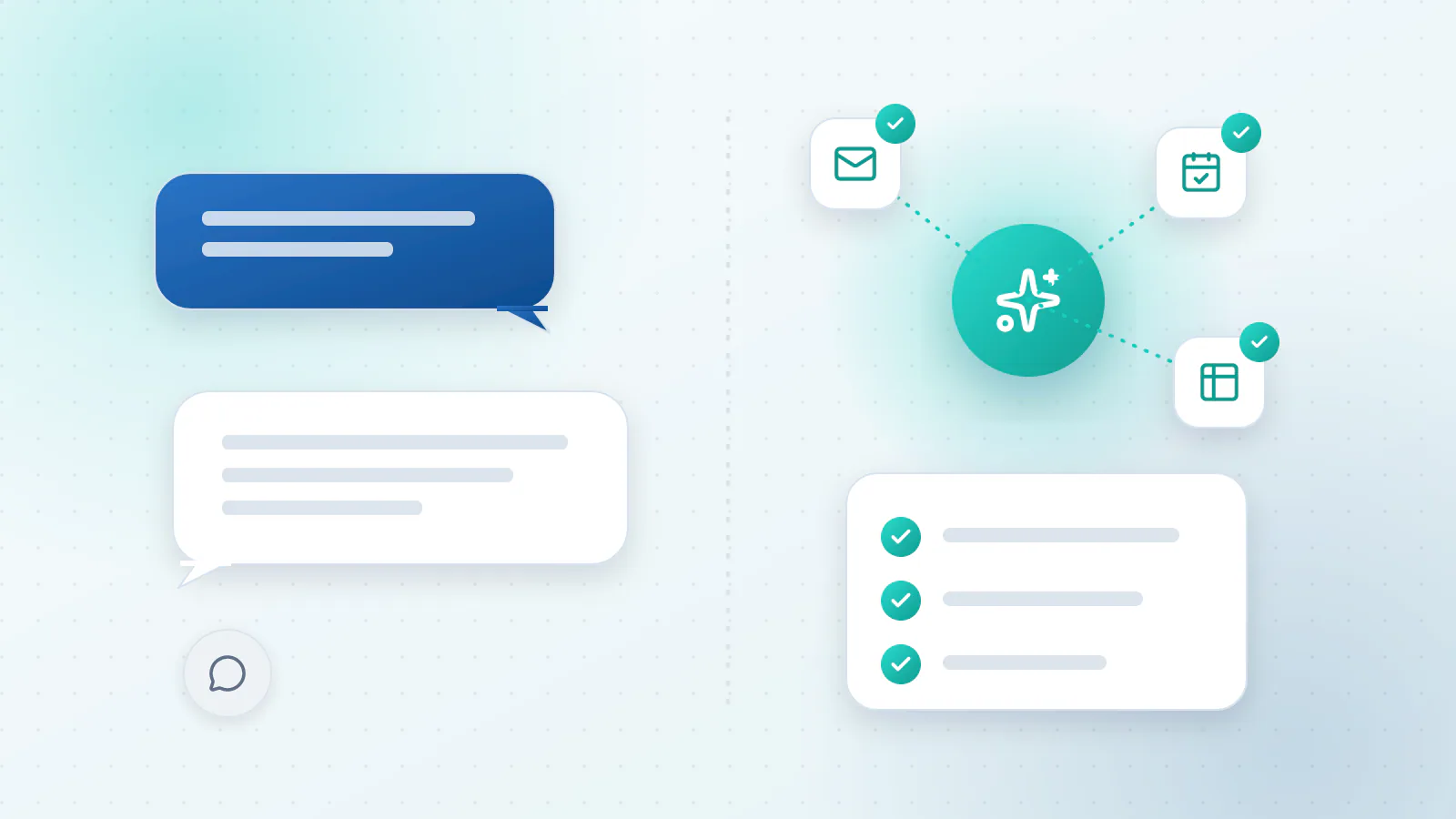
An AI agent is software that takes on a whole job for you. It reads a request, looks things up in your tools, makes a decision within the rules you set, does the work and tells you what it did. A chatbot answers questions. An agent gets things done, and hands the work to a person when it is not sure.
What does an AI agent do?
Say a new lead fills in the form on your website at 9 PM. An agent can:
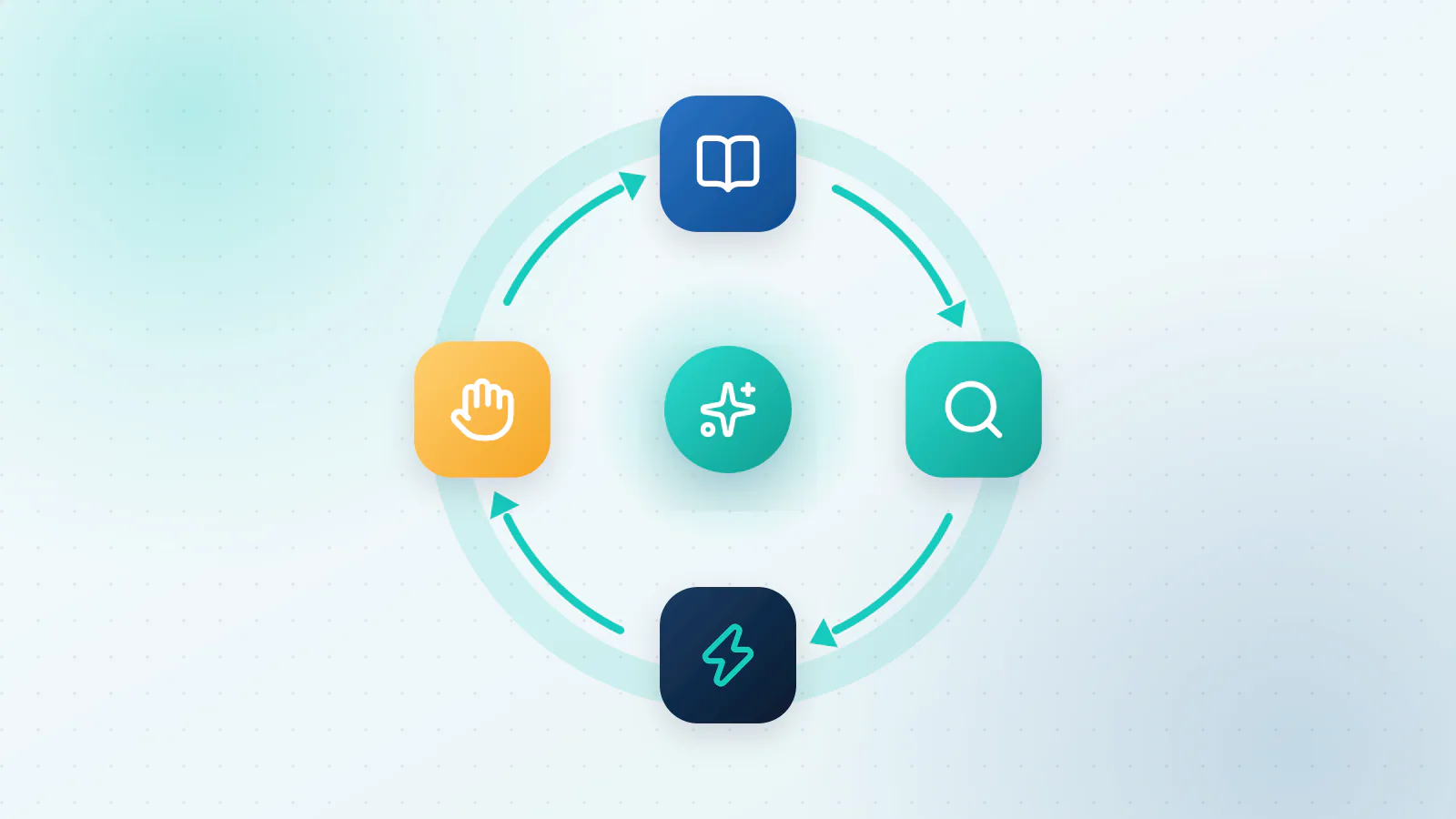
- Read what they wrote and work out what they want.
- Check your calendar and your CRM.
- Reply with a clear message, offering a time that is free.
- Book the call, update the record and leave your team a one-line summary.
None of those steps is magic. The difference is that one piece of software does all of them, in order, without anybody pushing it along.
This matches how the large technology companies define the word. Google Cloud describes AI agents as software systems that use AI to pursue goals and complete tasks on behalf of users (Google Cloud). IBM calls an AI agent a system that autonomously performs tasks by designing workflows with the tools available to it (IBM).
How is that different from a chatbot or regular automation?
| Chatbot | Regular automation | AI agent | |
|---|---|---|---|
| What it does | Answers questions in a conversation | Follows fixed rules: if this, then that | Works toward a goal across several steps |
| Messy input (emails, voice, free text) | Somewhat | Poorly | Yes |
| Takes action in your tools | Rarely | Yes, the same way every time | Yes, and chooses which action fits |
| Best for | Common questions | Predictable, repetitive steps | Jobs with several steps and some judgment |
Real systems often combine them: a chat window in the front, an agent doing the work behind it. If you are not sure which one you need, our guide to agents, chatbots and automation helps you decide.
Which jobs suit an agent?
Good first jobs share three traits. They happen often, they follow a pattern, and you can tell quickly whether they were done right. Examples:
- Replying to new leads and finding out which ones are serious.
- Handling routine customer requests, such as rescheduling or order status.
- Chasing quotes and unpaid invoices.
- Reading documents and putting the details in the right place.
- Pulling numbers from several tools into a weekly summary.
Jobs that depend on deep personal relationships, or one-off judgment calls with serious consequences, are better left with a person. The agent can still prepare the ground, for example by summarizing the history.
What can go wrong, and how is it kept safe?
An agent is software acting on your behalf, so it needs limits. A well-built one has:
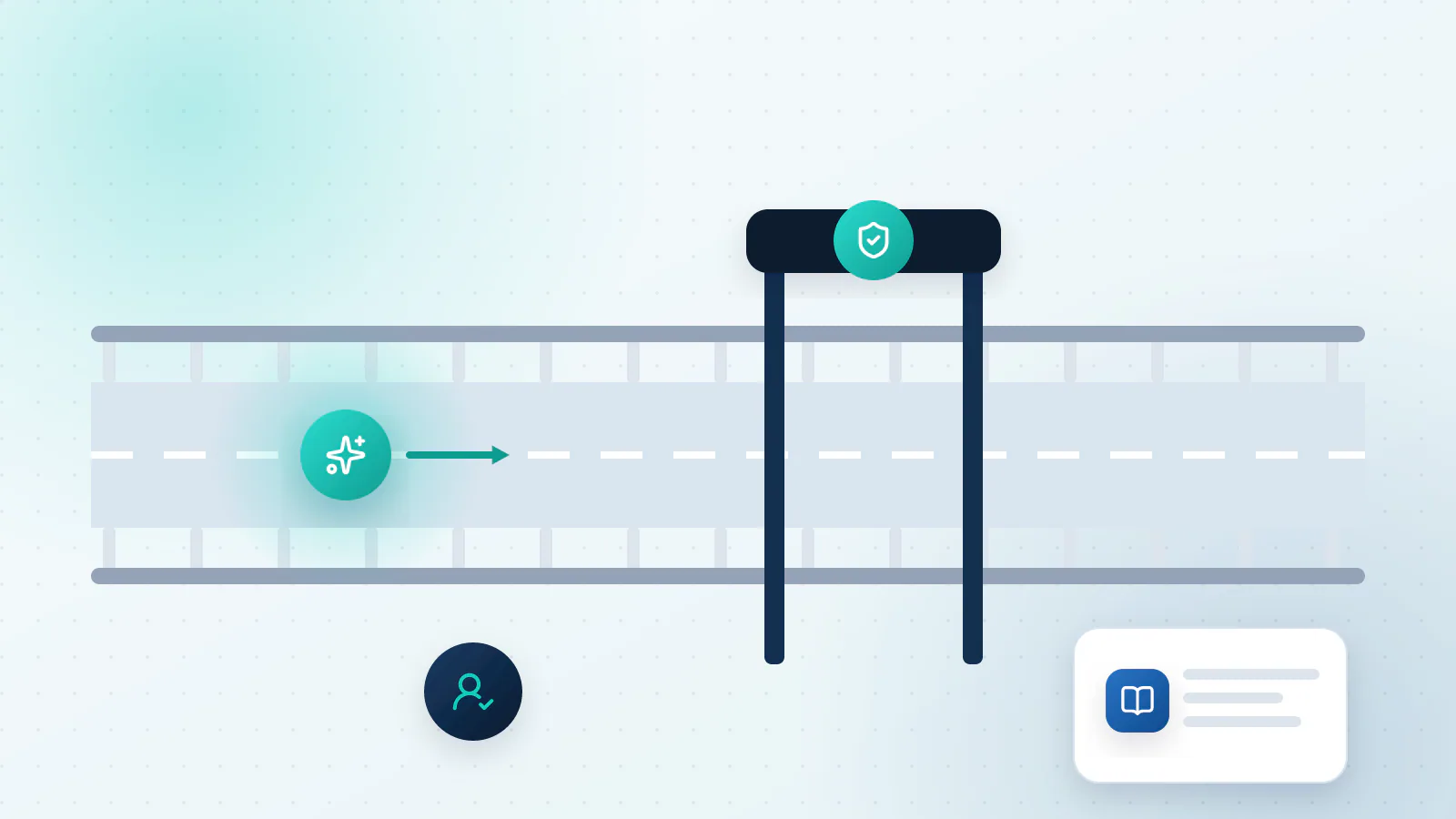
- A narrow job. One clear task beats “run my business”.
- Rules for what it may do alone. Reading and drafting are low risk. Refunds or deleting records may need a person’s OK.
- A hand-off. When it is unsure, it passes the case to a person with the whole conversation attached.
- A record. It logs what it did, so you can check.
- Testing on real examples before it touches a customer, and a regular review afterwards.
Agents can make mistakes, like any new team member. The point of these limits is that a mistake is small, visible and fixable.
The people who build agents give the same advice. Anthropic’s engineering guide describes agents that can pause for human feedback at checkpoints or when they hit a blocker, and recommends extensive testing in sandboxed environments along with appropriate guardrails (Anthropic).
What does it take to get started?
Pick one job. Write down how your best person does it today, including the exceptions. Decide how you will know it works: hours saved, reply time, appointments booked. Our guide to choosing the first process to automate walks through a simple scoring method.
Be careful with the label, too. Gartner says many vendors engage in “agent washing”, the rebranding of existing products such as AI assistants, robotic process automation and chatbots without substantial agentic capabilities. It expects over 40% of agentic AI projects to be canceled by the end of 2027 because of escalating costs, unclear business value or inadequate risk controls (Gartner, June 2025). One narrow job with a result you can measure is the best way to stay out of that group.
To see agents on everyday small-business jobs, read our guides to an AI booking agent and AI customer support automation, the overview of seven costly problems AI automation can solve or the wider list of business processes AI can automate.
Then talk to someone who builds these. A short conversation is usually enough to tell what is realistic. If you would like a second opinion on where to begin, book a call or read more about AI agents.

Questions about your own business?
Ask Sam how this applies to you, or book a free 20-minute audit and talk it through with the team.
Frequently asked questions
Is an AI agent the same as a chatbot?
No. A chatbot talks. An agent also acts: it can look up records, update your tools, send messages and book appointments. Many solutions use a chat window as the front and an agent doing the work behind it.
Will an AI agent replace my staff?
The aim is to take over repetitive work, not relationships. People stay in charge of judgment calls, sensitive situations and anything the agent is not sure about, and the agent hands over with the full story attached.
Do I need to be technical to use one?
No. Describe the job and the result you want, and the team that builds it handles the technology and shows your people how to work with it.
What is a good first job for an AI agent?
Pick something that happens often, follows a pattern and is easy to check, such as replying to new leads, chasing quotes and unpaid invoices, or handling routine customer requests.